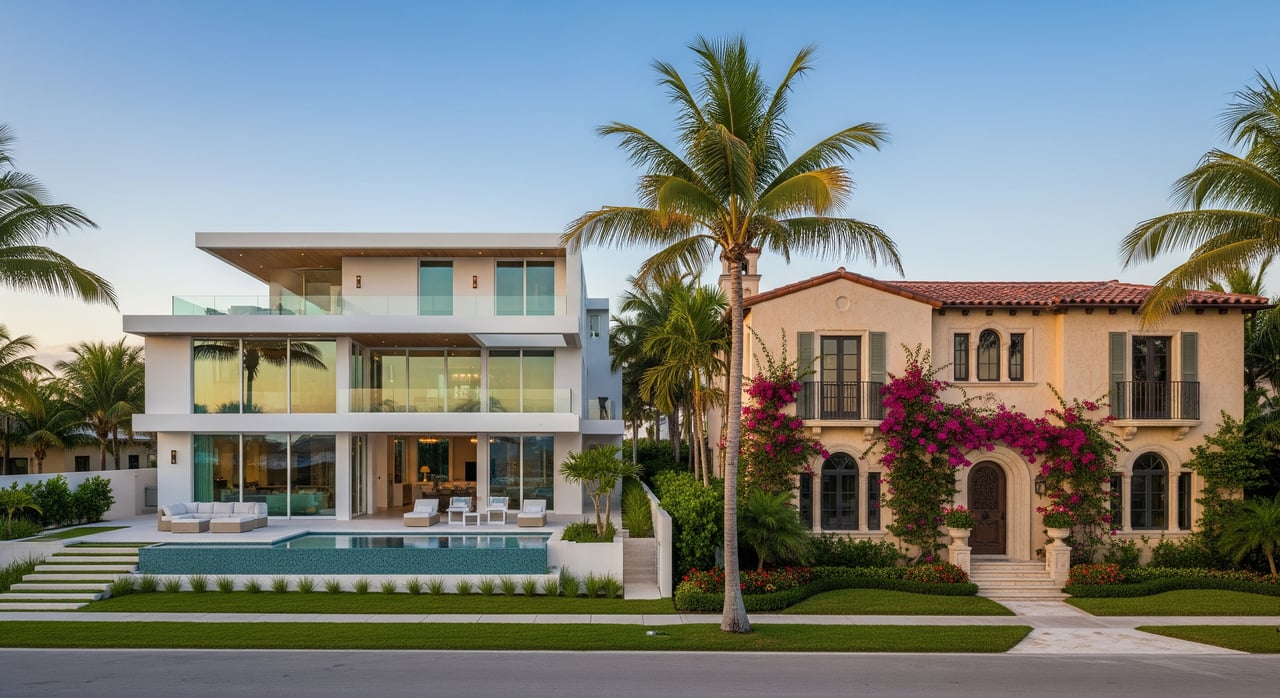
Debating a shiny new build or a character-filled resale in Delray Beach? You’re not alone. This choice affects your timeline, budget, insurance, and even long-term value. In this guide, you’ll get a clear, local look at both paths so you can move forward with confidence. Let’s dive in.
New vs. resale at a glance
New construction
- More control over finishes and layouts if you buy early.
- Builder and manufacturer warranties lower short‑term maintenance risk.
- Timelines vary; delays can happen during permitting or construction.
- Often in HOA and sometimes CDD communities with added fees.
Resale homes
- Usually a faster close, often 30–60 days with financing in place.
- Established neighborhoods and comparable sales help you judge value.
- May need updates or maintenance sooner.
- HOA/CDD exposure varies; some areas have lower dues or none.
Timelines and certainty
If speed matters, resale often wins with a typical 30–60 day closing once inspections and financing are set. New construction timing depends on when you buy. A finished inventory home may be ready in a few months, while pre‑construction and custom builds can take 12–24 months or more. Plan for possible delays from permitting, inspections, labor, or materials.
Warranties and maintenance
New construction usually includes a builder’s warranty for workmanship and structural items, plus manufacturer coverage on systems and appliances. These reduce early repair risk. Still, you should expect a punchlist of cosmetic items and follow the builder’s claim process. Resale homes rarely come with builder coverage unless they’re newer; your inspection matters more, and you may face near‑term repairs or updates.
Design flexibility and upgrades
Buying new early lets you choose finishes, layouts, and sometimes structural options. This is great for creating a home that matches your style. Keep in mind that upgrades add cost and may affect timing. With resale, you trade customization for speed and context. You can remodel later with the benefit of seeing how improvements fit the neighborhood.
Costs: HOA, CDD, and insurance
Many newer Delray Beach and Palm Beach County communities have homeowners associations. Amenity‑rich neighborhoods with pools, fitness centers, and gates often carry higher dues. Some planned developments also use Community Development Districts. CDD assessments appear on your property tax bill to pay for infrastructure and are separate from HOA dues.
Resale homes vary. Some established areas have lower dues or none, while others still have HOAs. Older homes can carry higher maintenance, which affects your total cost of ownership. No matter what you buy, build room in your budget for hurricane and wind insurance. Newer code‑built homes may include impact windows and reinforced systems that can help lower windstorm premiums, but costs remain a key line item.
Location and long‑term value
In Delray Beach, proximity drives demand. Access to Atlantic Avenue, beach paths, schools, and transit shapes pricing and resale potential. New communities may sit farther from the core and feel more uniform at first, which can make early pricing less certain. Resale neighborhoods offer established comparables and mature landscaping that buyers often value. Always weigh location, lot, and nearby amenities alongside finishes.
Local risks and building codes
Delray Beach includes low‑lying coastal areas with mapped FEMA flood zones. Ask for an elevation certificate on new construction and seek early insurance quotes for both flood and wind. Newer homes are built to stricter South Florida codes for wind and hurricanes. Features like impact‑rated windows, reinforced garage doors, roof tie‑downs, and energy‑efficient systems are common. Think long term as well: sea‑level rise and future flood exposure can influence premiums and resale.
Visiting builders: a smart checklist
Bring this list to model homes and onsite tours so you know exactly what you’re getting.
- Model vs. included: Request a written inclusions list and product specs. Confirm which finishes are standard and which are upgrades.
- Lot details: Orientation, elevation, drainage, setbacks, street noise, and what’s planned behind your lot (preserves, roads, or amenities).
- Flood and insurance: Ask for an elevation certificate or planned base elevation and a sample insurance estimate.
- Construction quality: Framing type, roofing system and materials, flashing, window and door ratings, exterior finish, HVAC capacity and location, insulation, and water heater type.
- Utilities and capacity: Electric panel size and EV readiness; gas, electric, or propane; plumbing materials.
- Hurricane protection: Impact‑rated windows/doors, shutter options, and garage door wind ratings.
- Energy features: SEER ratings, heat pump vs. AC, low‑E glass, smart thermostats, and appliance efficiency.
- Warranty and punchlist: Coverage, claim steps, timelines, provider name, and pre‑close walkthrough process.
- Builder track record: Prior projects in Palm Beach County, references, and whether there are any recorded liens or disputes.
- Governance and fees: HOA rules, budget and reserves, estimated dues, rental policies, and any CDD assessments.
- Schedule and contingencies: Estimated completion, deposit stages, change‑order rules, remedies for delays, and financing contingencies.
- Closing costs and incentives: What the builder covers, lender incentives, and how credits affect your loan.
- Resale or lease limits: Any resale restrictions, lease caps, or waiting periods.
Inspections and closing steps
Even with new construction, hire an independent inspector. If allowed, schedule a pre‑drywall inspection to check framing, HVAC, plumbing, and electrical rough‑ins. Do a final inspection and create a punchlist before closing. Confirm the certificate of occupancy, permits, and municipal sign‑offs. For both new and resale, arrange utility transfers and factor in activation fees.
Representation when buying new
Who represents whom
- The onsite sales team works for the builder. Their duty is to the developer.
- You should have your own buyer’s agent or attorney to protect your interests. In Florida, the type of representation must be disclosed in writing.
How your agent helps you
- Contract review: Builder contracts differ from standard resale forms. Your agent and, if needed, an attorney can explain deposit rules, timelines, and remedies.
- Negotiation: Your agent can negotiate price, upgrades, closing costs, and timing, and they can compare finished inventory to local comps.
- Coordination: Your agent connects inspectors, lenders, title, and escrow while keeping contingencies on track. Builders often offer to pay cooperating broker commissions, but your agent should disclose how they are paid.
Contract items to watch
- Deposits and escrow stages and what is refundable.
- Delay language and liquidated damages limits.
- Change‑order pricing and how it affects the final contract value.
- Required title or closing providers and how to review title.
- Written warranty terms, service contacts, timelines, and transfer rules for resale.
When to involve an attorney
- High‑value or complex builds, one‑sided terms, detailed HOA/CDD documents, or any construction‑defect language. A Florida real estate or construction attorney can add protection.
How to decide what fits you
Choose new construction if you want modern systems, hurricane‑ready features, and design control, and you can be flexible on timing. Choose resale if you want speed, established neighborhood context, and the option to upgrade on your schedule. In both cases, weigh HOA/CDD dues, flood and wind insurance, commute patterns, and proximity to the places you visit most.
Your next steps
- Partner with a buyer’s agent experienced in Palm Beach County new construction and resale.
- Get the builder’s specifications, inclusions, and a sample contract before you deposit.
- Line up inspections at key stages and a final walkthrough.
- Request elevation and survey docs early and shop flood and wind insurance quotes.
- Review HOA and CDD budgets and rules in detail.
- Compare recent neighborhood sales so you understand value and resale potential.
Ready to compare real options, line up inspections, and negotiate with confidence? Connect with Trinnette Robinson for local guidance on Delray Beach new builds and resales. You’ll get clear timelines, cost breakdowns, and a plan tailored to your goals.
FAQs
What should I budget for HOA and CDD fees in Delray Beach?
- Fees vary by community and amenities. Many new neighborhoods have HOAs, and some use CDDs that appear on your tax bill. Review the HOA budget and ask for CDD assessments before you commit.
How long does new construction usually take in Delray Beach?
- A finished inventory home can take a few months, while pre‑construction or custom builds often run 12–24 months or more. Delays from permitting, labor, or materials are common, so build in cushion time.
Do I still need a home inspection for a new build in Florida?
- Yes. Schedule a pre‑drywall inspection if allowed and a final inspection before closing. Independent inspectors can catch issues that a standard walkthrough might miss.
Will a new home lower my insurance costs?
- Newer homes often include wind‑mitigation features like impact windows and reinforced roofs that can help with windstorm premiums. You should still get quotes for both wind and flood insurance early.
How do warranties work on new construction homes?
- Builders typically provide a warranty for workmanship and structure, and manufacturers cover systems and appliances. Ask for written terms, claim steps, and timelines, and confirm if the warranty transfers on resale.
What if the builder is delayed past the completion date?
- Builder contracts often limit remedies for delays. Review the delay and liquidated damages language before signing and discuss options with your agent and, if needed, an attorney.
Are there resale restrictions in new communities?
- Some communities set early resale or leasing limits. Confirm any restrictions, lease caps, or waiting periods in writing before you buy.